Tauri Tuvikene
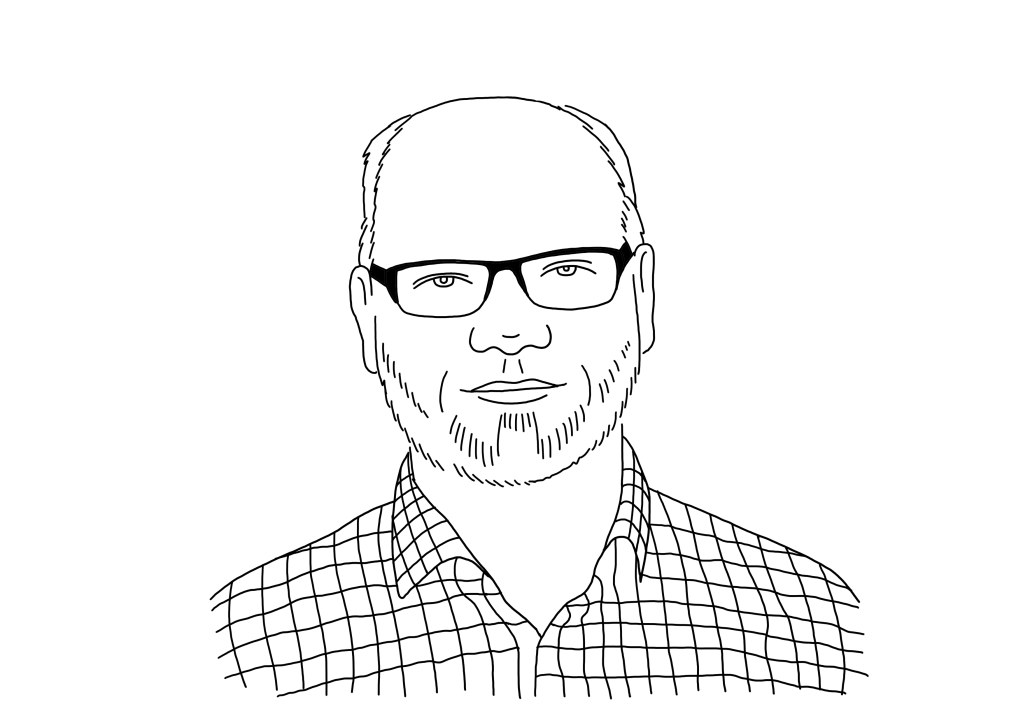
Tauri Tuvikene is Professor of Urban Studies at Tallinn University. He leads the project and co-leads Work Package 1 on the development of the project’s postsocialist conceptual framework together with Dr. Nugin. Prof. Tuvikene’s research builds on longstanding research on postsocialism, with an eye on advancing it as a concept applicable to contemporary transformations. This project provides an opportunity to further develop such a framework in relation to green transitions, reframed as broader societal transformations. Prof. Tuvikene contributes expertise on infrastructures and postsocialist transformations, including how past practices can inform future pathways (see, e.g., Tuvikene 2016, Tuvikene et al. 2024). He also brings extensive experience from international research projects on transport and mobility transformations, including PUTSPACE and CARIN-PT.
Further details are available via Tallinn University (TLU) and Estonian Research Information System (ETIS) profiles.
Raili Nugin
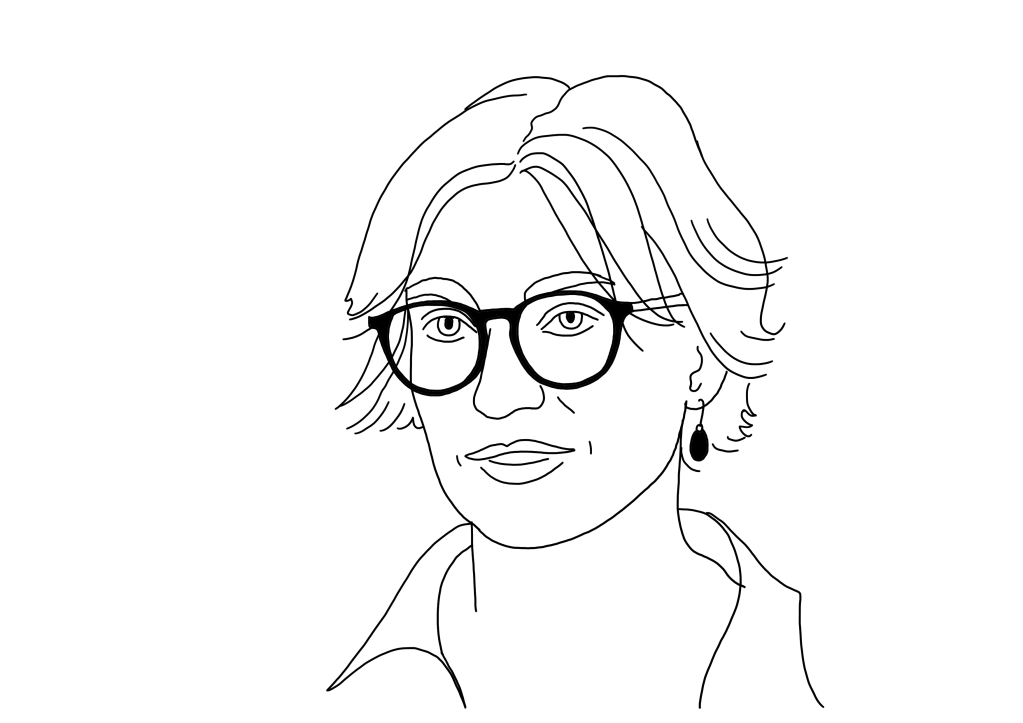
Raili Nugin is a sociologist with expertise in youth studies, the integration of Russian-speaking communities (including in Ida-Virumaa), rural communities, and postsocialist transformations. She co-leads Work Package 1 on the development of the project’s postsocialist conceptual framework, together with Prof. Tuvikene. Dr. Nugin also conducts fieldwork, including participant observation and interviews (with a focus on Russian-speaking communities). She co-supervises PhD researcher Riste Lehari together with Dr. Kesküla. Dr. Nugin also has experience in international research projects, including EUROSHIP and “Crossing borders building walls. Towards ethnography of Russian war mobilisation”.
Further details are available via Tallinn University (TLU) and Estonian Research Information System (ETIS) profiles.
Tarmo Pikner
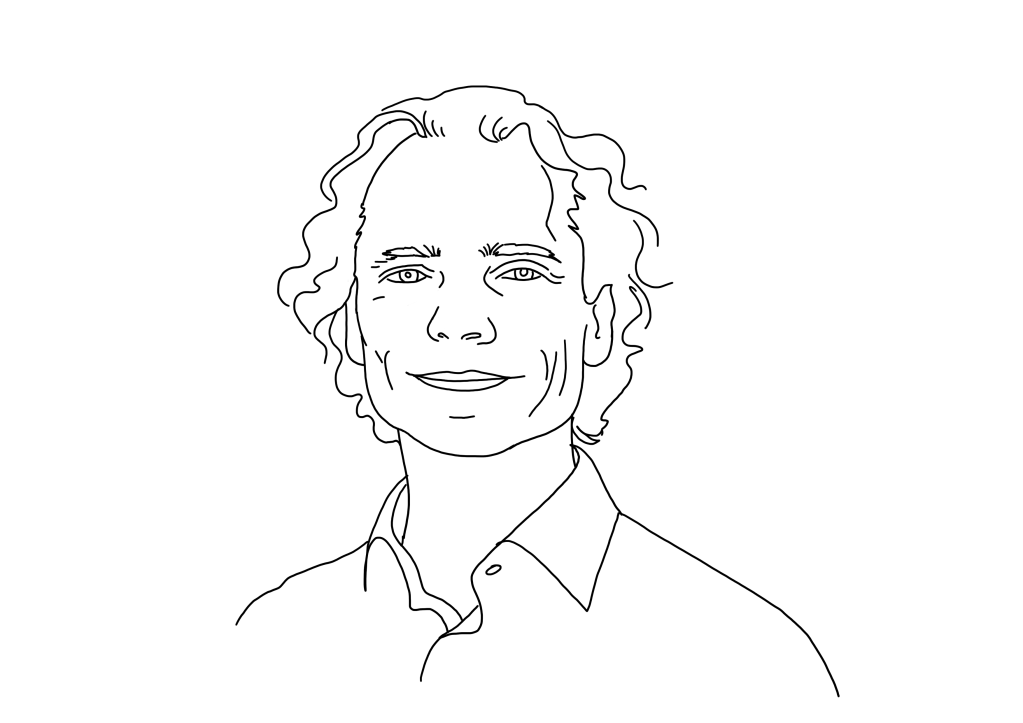
Tarmo Pikner is a human geographer with expertise in the political ecologies of urbanisation and contested energy transitions in community contexts. He leads Work Package 3, “Commoning Transitions,” which explores care and socio-ecological assemblages that engage with past entanglements while anticipating possible futures in Ida-Virumaa. Dr. Pikner’s work examines practices and temporalities of quiet (de)growth, as well as the tensions involved in aligning resource-making, environmental conservation, and lived commons. He also contributes to the supervision of a PhD candidate working on related topics. Dr. Pikner also has experience in international research projects, including MARLENE and SustainERA.
Further details are available via Tallinn University (TLU) and Estonian Research Information System (ETIS) profiles.
Karin Dean
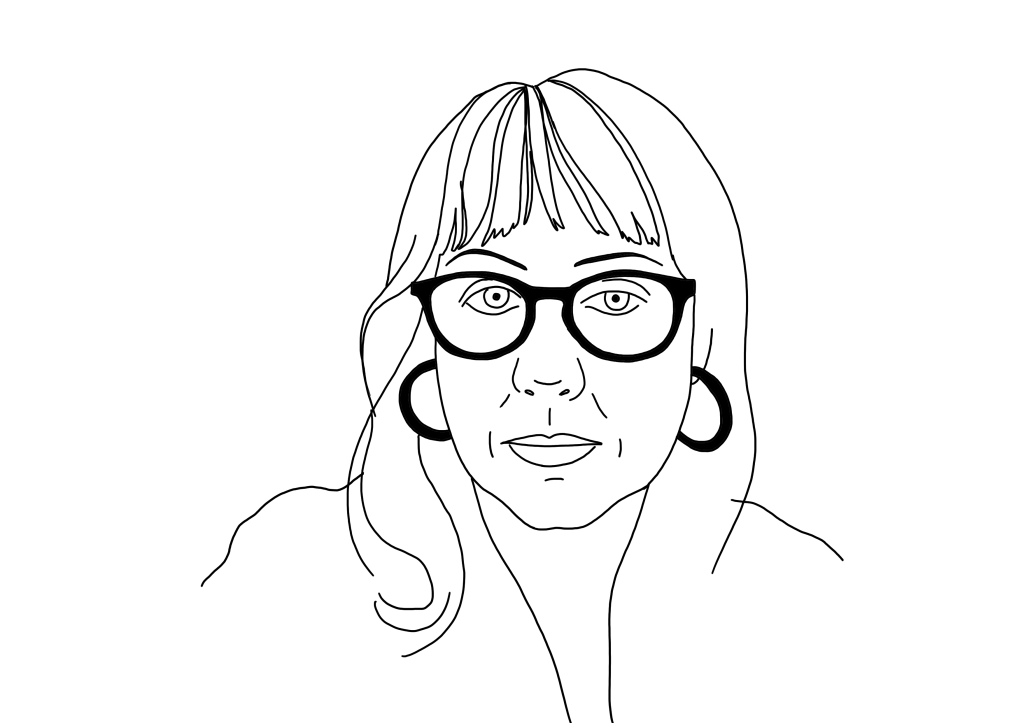
Karin Dean is a political geographer with extensive field experience in geopolitically sensitive borderlands, particularly in Asia. She leads Work Package 2, “Geopolitics of Transitions,” which investigates overarching and interconnected security challenges in the context of ongoing (geo)political re-bordering and deepening civilisational fault lines. Dr. Dean examines both broader transnational dynamics and local, everyday forms of resilience to unpack the geopolitics of transitions. She has been advancing border studies at Tallinn University and leads the Eur-Asian Border Lab, which fosters transregional conversations and collaboration among border scholars.
Further details are available via Tallinn University (TLU) and Estonian Research Information System (ETIS) profiles.
Eeva Kesküla
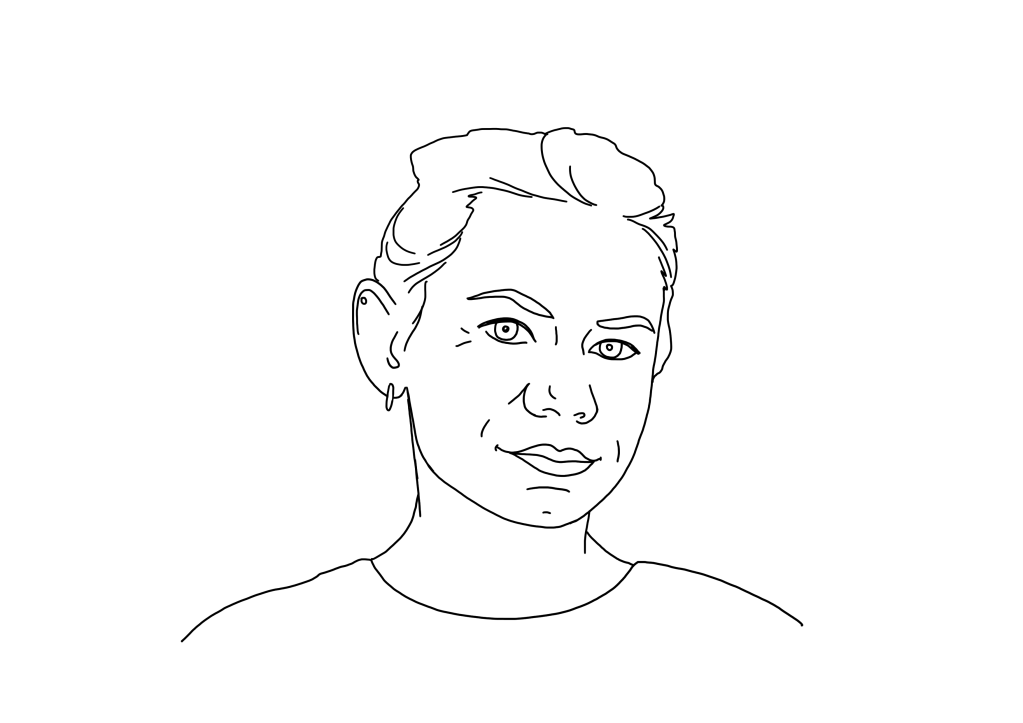
Eeva Kesküla is a social anthropologist with expertise in labour, identity, and postsocialist transformations. She leads Work Package 4, “Shifting Work Identities,” which examines the re/production of class, gender, and ethnic identities through the lenses of labour, vocational education, and kinship in the context of shifting energy policies. Dr. Kesküla conducts ethnographic research, as well as media and policy analysis, and supports participatory research formats. She co-supervises PhD researcher Riste Lehari together with Dr. Nugin. Dr. Kesküla also has experience in international research projects, including CINTRAN, Skills2Capabilities, and EGRUiEN.
Further details are available via Tallinn University (TLU) and Estonian Research Information System (ETIS) profiles.
Aleksandra Ianchenko
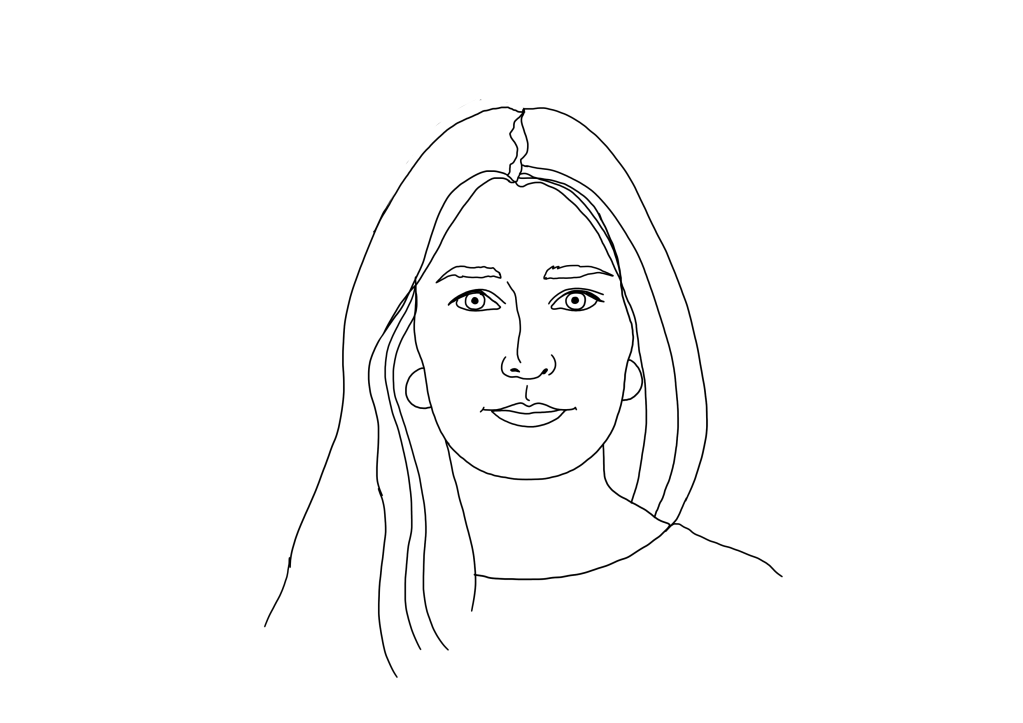
Aleksandra Ianchenko is a visual artist, researcher, and exhibition curator. She contributes to the project’s methodological approach through creative practices, coordinating an artistic fellowship programme, and convening an exhibition as one of the project outputs. Dr. Ianchenko uses urban sketching as a collaborative research method.
Further details are available via Tallinn University (TLU) and Estonian Research Information System (ETIS) profiles.
Anu Printsmann
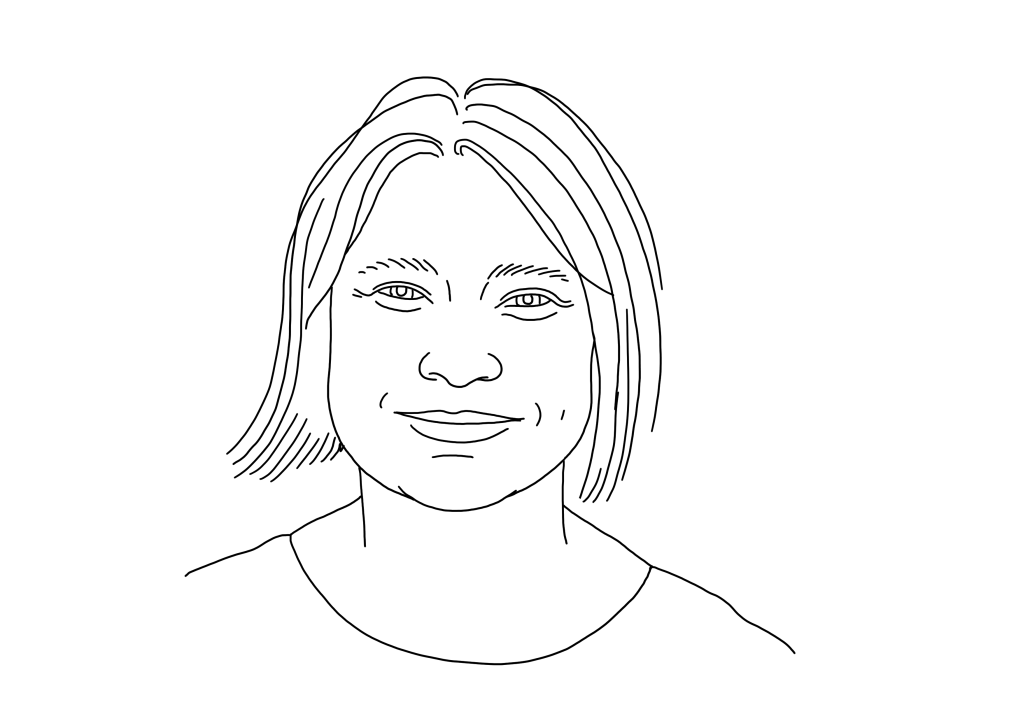
Anu Printsmann is a geographer and researcher in landscape studies with expertise in participatory mapping and the study of social space in the context of everyday transformations. Born and raised in Kohtla-Järve, Ida-Virumaa, she brings a distinctive insider–outsider perspective to her work. Printsmann’s research has explored the industrial heritage and tourism of oil shale mining and chemical industries; the moral geographies of labour-shaped landscapes; sacrifice zone infrastructures; and the emotional dimensions of shrinking townscapes and recultivation. She has also examined the public and private forces that have shaped Soviet mining cities and continue to influence their future. Printsmann also has experience in international research projects, including SPOT and “Post-extractivist legacies and landscapes: Humanities, artistic and activist responses”.
Further details are available via Tallinn University (TLU) and Estonian Research Information System (ETIS) profiles.
Saara Mildeberg
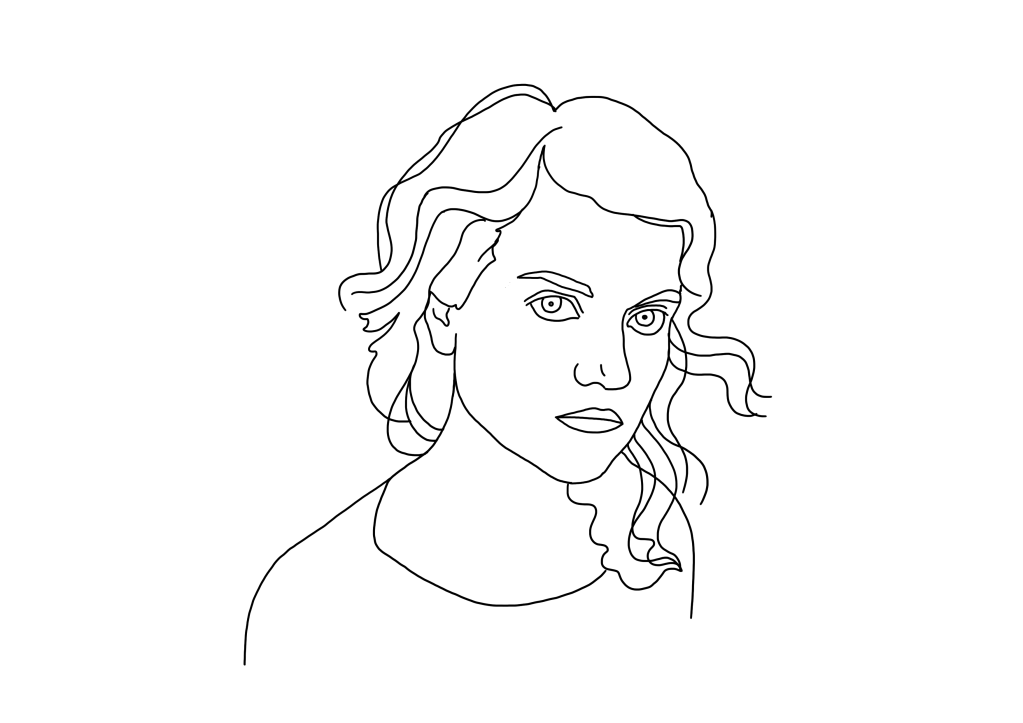
Saara Mildeberg is an anthropologist, photographer, and cultural geographer with extensive research experience in tourism, industrial heritage, and postsocialism in Ida-Virumaa. She has substantial experience in participatory action research and community engagement. Mildeberg’s work includes the organisation of the “Gardeners’ Day” festival in Sillamäe (2022–2023) and the coordination of the Narva Venice Embassy residency in 2025. Together with Dr. Ianchenko, she is responsible for the design and implementation of co-creative, art-based research activities. Mildeberg also has experience in international research projects, including SPOT and “Post-extractivist legacies and landscapes: Humanities, artistic and activist responses”.
Further details are available via Tallinn University (TLU) and Estonian Research Information System (ETIS) profiles.
Riste Lehari
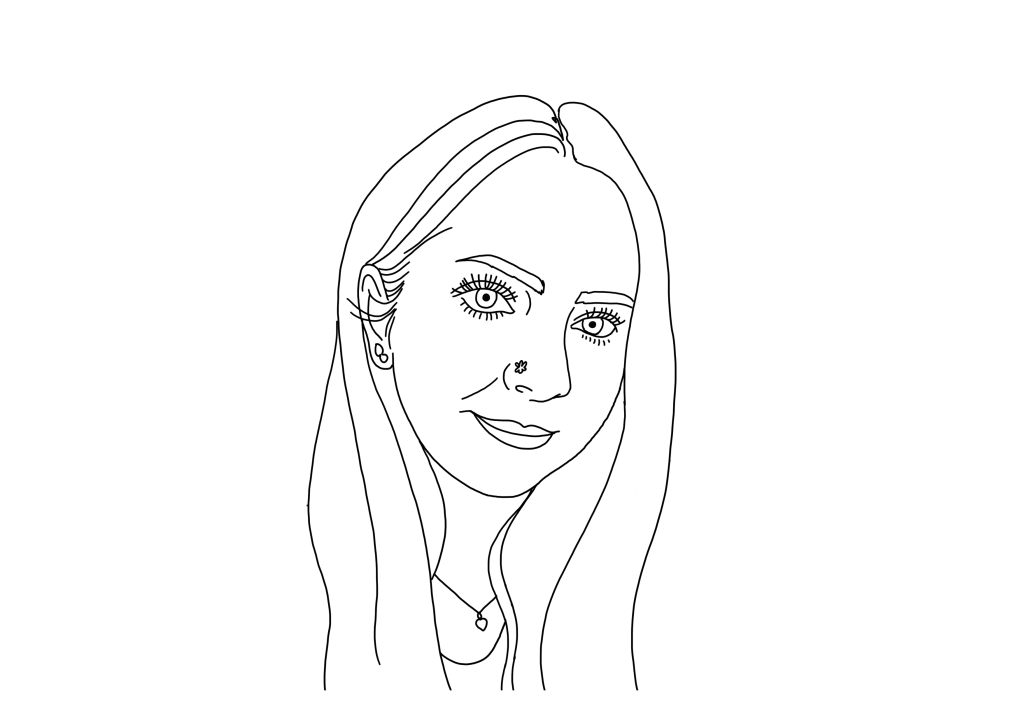
Riste Lehari is a PhD researcher in the Studies of Cultures doctoral programme at Tallinn University. She is supervised by Dr. Nugin and Dr. Kesküla, both members of the project team. Within the project, Lehari contributes to Work Package 4, “Shifting Work Identities,” led by Dr. Kesküla, which explores how class, gender, and ethnic identities are re/produced through labour, vocational education, and kinship in the context of changing energy policies. She conducts ethnographic fieldwork in Ida-Virumaa, engages in media and policy analysis, and supports the development and facilitation of participatory research formats.
Further details are available via Tallinn University (TLU) and Estonian Research Information System (ETIS) profiles.
 TransitionToTransformations